
Airflow
Replace the filter on a schedule the system can actually handle
Check a 1-inch pleated filter monthly and replace it every 30 to 90 days. Pets and dust push it toward 30 days. Reduced airflow can mean it is overdue.
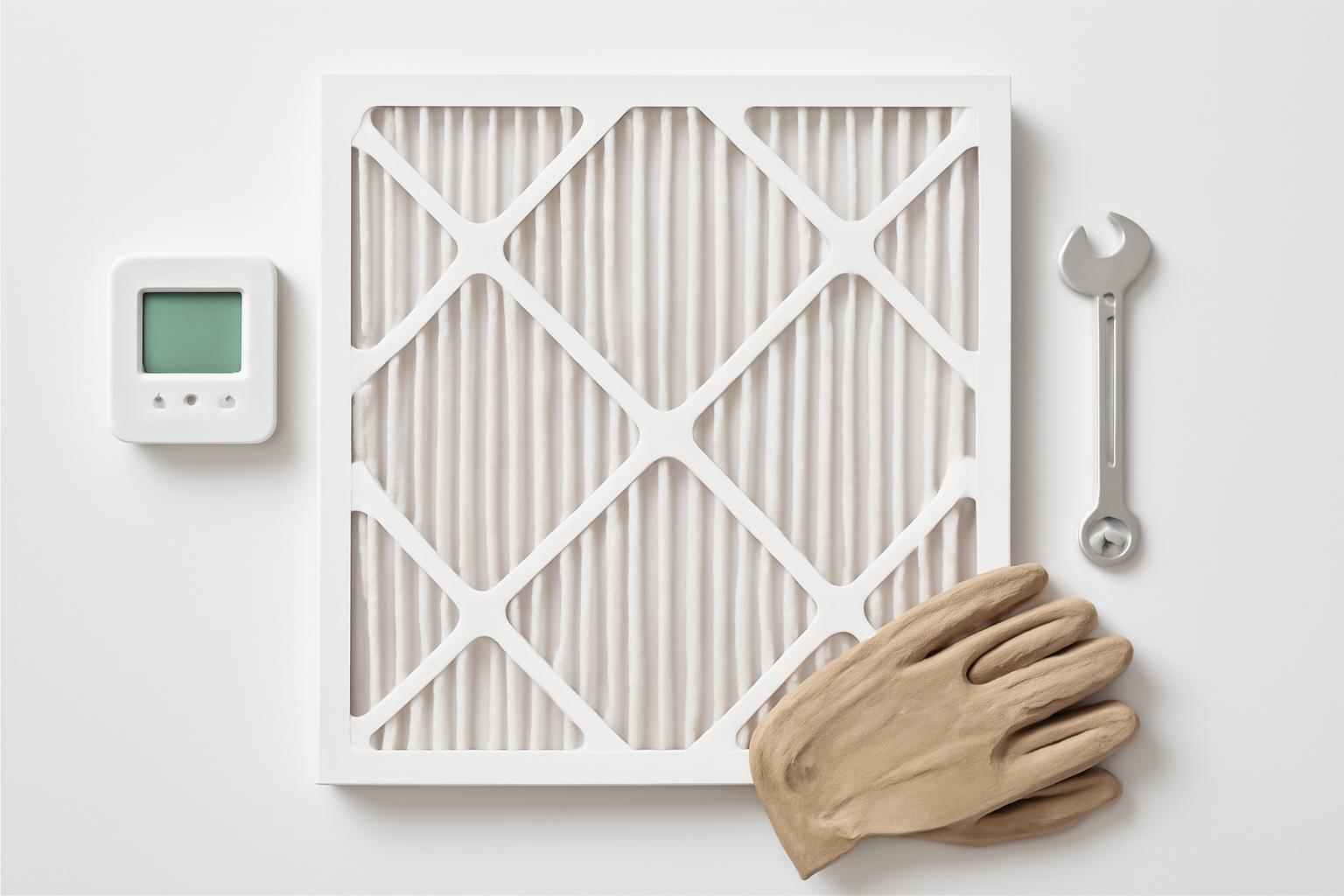
The practical answer is that most HVAC filters should be replaced somewhere between every month and every three months, but the real interval depends on the filter depth, how hard the system runs, and what your home puts into the air. A house with pets, dust, smokers, long cooling seasons, or a system that runs constantly will usually need a faster schedule than a quiet home with a deep media filter and modest runtime.
The mistake most homeowners make is treating the filter as a generic calendar item. The better question is whether the filter is still moving air freely enough for the system to do its job. If the filter is loading up quickly, you may be looking at a maintenance issue, a return-air problem, or a comfort problem that shows up as poor airflow or uneven temperatures. If you want the most direct warning sign that the system is being asked to work too hard, read signs an air conditioner is oversized next.
The short answer for most homes
If your filter is a standard 1-inch pleated filter, a monthly check is smart and a replacement every 30 to 90 days is the usual practical range. If you have pets, a lot of dust, or a system that runs for many hours a day, expect to land closer to the monthly end. If the filter is thicker, the cabinet is designed for it, and the manufacturer specifies a longer interval, the schedule can stretch longer.
That does not mean the longest possible interval is the right one. A filter can look clean enough from one side and still be restricting airflow enough to matter. If the filter is working well for your house, the blower noise, room comfort, and cycle length should stay fairly steady. If those start changing, the filter schedule may be wrong even if the filter does not look dramatic.
What actually shortens the interval
Several things push a filter toward earlier replacement:
- pets that shed,
- ongoing renovation dust,
- cooking that puts grease or fine particles into the air,
- smoking or frequent candle use,
- an older return setup that pulls air from dusty spaces,
- and longer daily runtime during hot or humid weather.
The system’s runtime matters because a filter does not only collect visible debris. It also accumulates the fine dust you do not notice until airflow changes. A home in a humid climate may need a more attentive schedule even if the air looks clean, because long cycles keep moving particles across the filter surface.
If your filter is clogging unusually fast, that can be a clue that the equipment or ductwork is not set up well. Dirty returns, leaky ducts, or an oversized air conditioner can all create a pattern where the filter gets blamed for a larger issue. That is where heat pump vs central air for humid climates becomes useful, because system fit affects how much air moves and how long it stays in motion.
Signs the filter is overdue
A filter is overdue when the system starts telling you, not just when the calendar says so. Common signs include:
- reduced airflow from the vents,
- more dust settling on surfaces shortly after cleaning,
- a blower that sounds strained or louder than usual,
- uneven room temperatures,
- and a system that seems to run longer without making the house feel comfortable.
Do not wait for a filter to turn gray before replacing it. Visual dirt is only one signal. If the house feels stuffier than usual, if the air handler sounds as though it is working harder, or if the same room keeps drifting out of comfort faster than it used to, replace the filter and watch whether the symptom improves.
Pick the right filter instead of the fanciest one
The best filter is not automatically the highest MERV number on the shelf. A very restrictive filter can make a weak return system work harder than it should. What matters is whether the filter is appropriate for the cabinet and for the blower that has to pull air through it.
If you are unsure, stay conservative:
- Check the size printed on the old filter and buy the same size.
- Match the replacement thickness to the cabinet, not to a guess.
- Avoid upgrading to a tighter filter just because it sounds more advanced.
- If you want finer filtration, confirm that the system can handle the added resistance.
The point is to protect both air quality and airflow. A filter that is too restrictive can reduce comfort and create the exact kind of complaint people often blame on the thermostat.
Different homes need different intervals
The same calendar does not fit every house. A small apartment with a single return and light runtime can often stretch farther than a busy family home with pets and a long cooling season. A house that spends much of the year running the system may need a tighter interval even if the filter looks only moderately dirty. The amount of air moving through the system matters as much as the amount of dust sitting on the filter.
If your home uses a deeper media filter, the replacement window can be longer, but only if the cabinet was designed for that filter and the blower can handle the resistance. Do not assume every thicker filter is automatically better. The right filter is the one that fits the equipment and keeps the airflow stable.
Make the schedule easy to keep
The best schedule is the one you do not have to remember from scratch. Put the replacement date in your calendar, keep a spare filter in the right size, and write the size on the cabinet or on the package if multiple people in the house might replace it. That removes the guesswork the next time the filter looks questionable but not obviously ruined.
If you want one practical rule, use this: check monthly, replace when the filter starts to load up, and shorten the interval if the system is running longer or the house is dustier than usual. That keeps the decision tied to the home, not just to habit.
A schedule that works in real life
The easiest schedule is also the one most people can keep:
- put the replacement date on your calendar when you install the filter,
- check it monthly even if the replacement interval is longer,
- keep one spare filter in the right size,
- and replace the filter early if the system is running harder than usual.
For many households, a monthly check plus a 60- or 90-day replacement interval is enough. For homes with pets or heavy runtime, monthly replacement is not overkill. For a deeper media filter, you may have more room, but only if the cabinet, blower, and manufacturer guidance all support it.
If you are seeing recurring dirt buildup no matter how often you replace the filter, that is the point to stop treating the filter as the whole story. A bad return location, duct leakage, or an oversized cooling system can make a perfectly normal filter look guilty.
When a filter problem is really a system problem
A filter that loads up fast can be the symptom of a system that cycles badly or moves air inefficiently. That is why the questions below matter more than the exact number of days on the box:
- Does the system short cycle?
- Is one room always warmer or colder than the rest?
- Does humidity stay high even when the thermostat is satisfied?
- Does the return grille collect dust unusually fast?
If the answer to several of those is yes, you may be dealing with a sizing or airflow issue, not just a maintenance lapse. The next step is usually to compare what the system is doing with what it should be doing, then decide whether the equipment needs adjustment, cleaning, or a deeper design fix.