
System Decisions
In humid weather, comfort depends more on runtime than the label
The better choice runs long enough, at the right speed, to remove moisture without wasting energy. Sizing, staging and your heating setup break the tie.
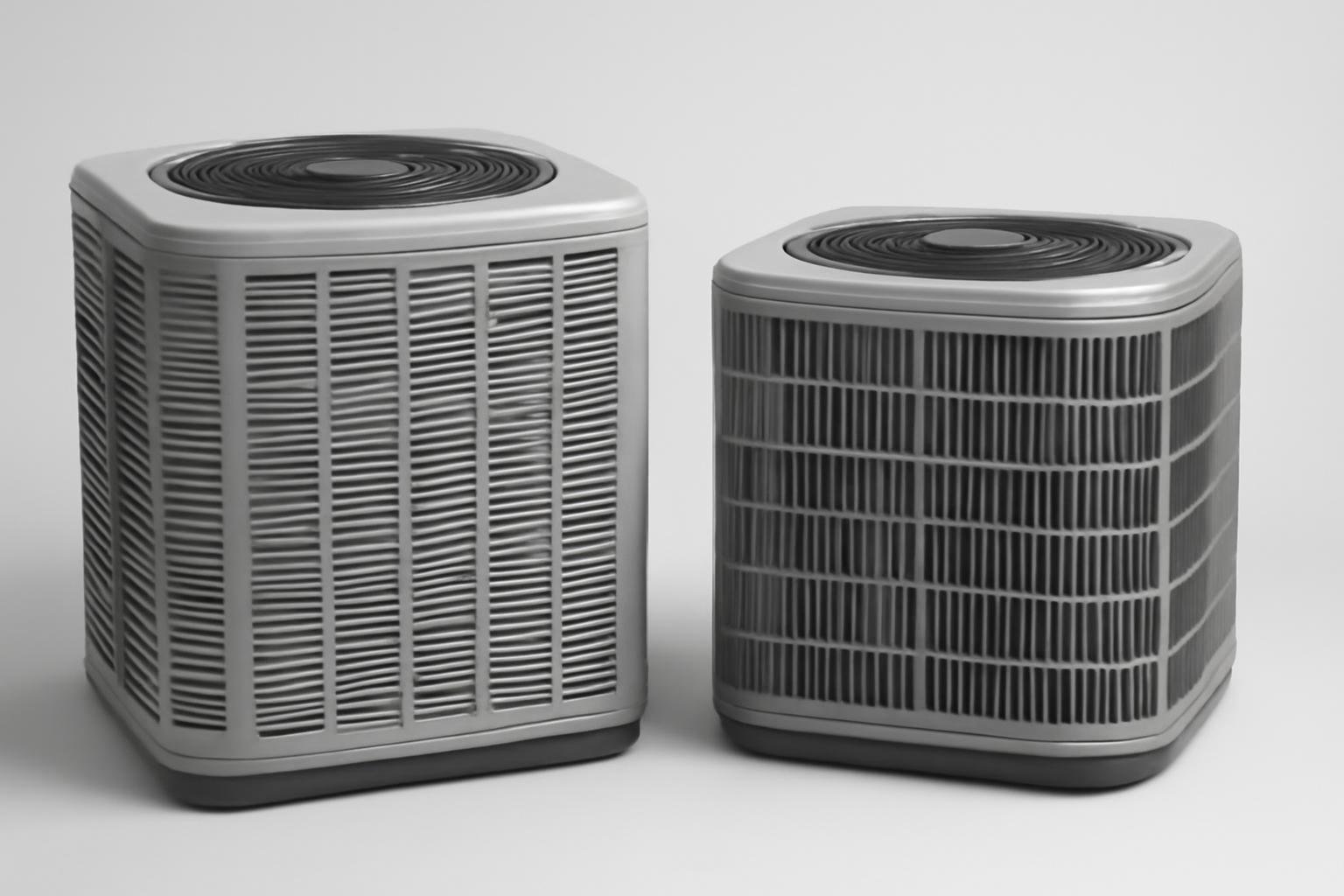
The better choice in a humid climate is usually the system that can run long enough, at the right speed, to remove moisture without wasting energy. That means a heat pump can be the better fit, but so can central air paired with the right furnace or air handler if the equipment is sized well and the controls are set correctly. The label matters less than the runtime, staging, and duct design behind it.
This is why humid climates are such a useful test. A system that only cools the air quickly is not enough. You need one that makes the house feel dry, even, and steady. If you are already seeing fast cycles or clammy rooms, check signs an air conditioner is oversized first, because a bad size choice can make either system feel wrong.
What matters more than the equipment label
People often compare heat pumps and central air as if one is universally better. In practice, the following factors matter more:
- whether the system is sized to the home’s actual load,
- whether it can stage down instead of blasting full output every time,
- how the blower and ductwork handle airflow,
- whether the thermostat and fan settings support moisture removal,
- and how much the house needs heating as well as cooling.
If those pieces are wrong, a heat pump and a conventional split system can both feel disappointing. If they are right, either one can be comfortable.
When a heat pump is the stronger choice
A heat pump often makes sense when you want one system for both heating and cooling, when winter heating is still part of the annual load, and when part-load efficiency matters. Many of the best heat pump setups also bring the benefit of longer, steadier runtime, which is helpful for dehumidification.
That steadiness is the real reason heat pumps often feel better in muggy weather. A good system does not race to setpoint and stop. It runs long enough to pull moisture off the coil and keep the home from feeling sticky after the cycle ends.
Heat pumps are especially attractive when the installer can match the equipment to the house precisely instead of defaulting to the largest available unit. If the climate is humid and the home is not huge, a right-sized variable-speed system often beats a bigger machine every time.
The proposal language to listen for
The best quote is the one that talks about how the system will behave, not just what it is called. Listen for phrases about staged output, variable speed, indoor humidity targets, and duct compatibility. Those are signs the installer is thinking about comfort in a humid house rather than just putting a larger box in the yard.
If the proposal only compares brand names or efficiency badges, ask for the operating logic. How long should the equipment run in mild weather? What happens when the humidity is high but the temperature is only moderately warm? Does the air handler support the slower, steadier runtime that actually helps the home feel dry?
When central air still makes sense
Central air can still be the right answer if you already have a furnace you like, if the cooling-only side of the house is the main need, or if your installer can pair the equipment with an air handler that supports strong humidity control. The key is not to assume that a central AC is automatically less comfortable.
Central air works well when:
- the coil and blower are matched correctly,
- the ducts are not overblowing conditioned air,
- and the system is not sized so aggressively that it short cycles.
If those conditions are met, a conventional split system can cool a humid home very well. The problem is not the concept. The problem is the mismatch.
How the decision usually breaks
In a house that needs both heating and cooling, a good heat pump often wins on flexibility. In a house that already has strong heating equipment and only needs a cooling upgrade, central air can be the cleaner move. The practical question is whether you are solving one comfort problem or two.
If you are comparing quotes, keep the discussion grounded in load, runtime, and humidity. Those are the details that affect how the home feels on an ordinary muggy day. They are also the details that make a system work well after the excitement of the install is over.
The questions that reveal quality
If you are choosing between the two, ask the contractor these questions:
- How did you size the system?
- How long should it run on a typical summer day?
- What does it do to indoor humidity at part load?
- Does the blower have the staging or variable-speed control to avoid short cycles?
- What fan setting should be used most of the time?
Those questions matter more than the brand name. A precise answer tells you the installer is thinking about comfort, not just capacity.
A simple way to narrow it down
If your home feels sticky now, ask which option will run longer at a lower output without making the house cold and clammy. If the answer is vague, the quote is not ready yet. If the answer includes specific control settings, staging behavior, and how the air handler will be matched, you are getting closer to a real comparison.
Humidity control is not an accident
In humid climates, the most common comfort mistake is overvaluing cold air and undervaluing moisture removal. If the system blows colder air than necessary and shuts off quickly, the room may still feel damp. That is why a setpoint of 72 is not automatically better than 75 if the 75-degree house feels drier and steadier.
The filter matters here too. A dirty filter can reduce airflow enough to disturb dehumidification, which is one reason how often to replace an HVAC filter belongs in the same decision tree. If the system cannot breathe properly, it cannot dehumidify properly either.
A simple way to compare the options
Use this rule of thumb:
- choose a heat pump if you want efficient heating and cooling from one well-controlled system,
- choose central air if your heating setup already works and the cooling side can be matched cleanly,
- and choose whichever option the installer can size and stage honestly for your home.
If the proposal does not talk about runtime, humidity, and control strategy, it is not really a comparison. It is just a product pitch. In humid weather, comfort lives in the details the brochure ignores.